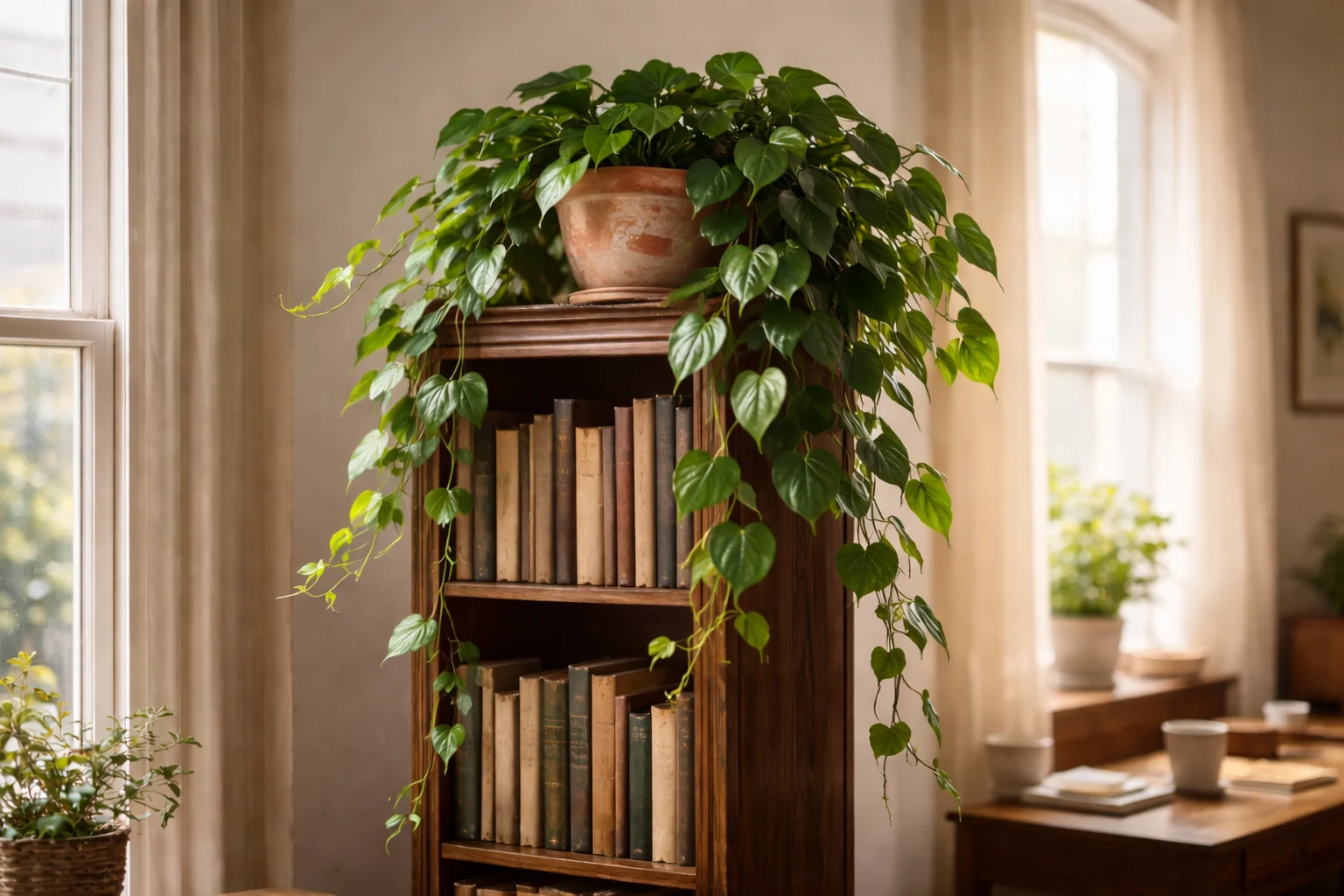
PhilodendronCare Guide
Philodendron hederaceum
Also known as: Heartleaf Philodendron, Sweetheart Plant, Velvet Leaf Philodendron
Quick Care Reference
Water
Every 7-10 days
Let top inch dry between waterings
Light
Medium to bright indirect
Tolerates low light well
Humidity
Average (40-60%)
Adapts well to normal humidity
Temperature
65-80°F
Keep above 55°F
Soil
Well-draining
Standard potting mix with perlite
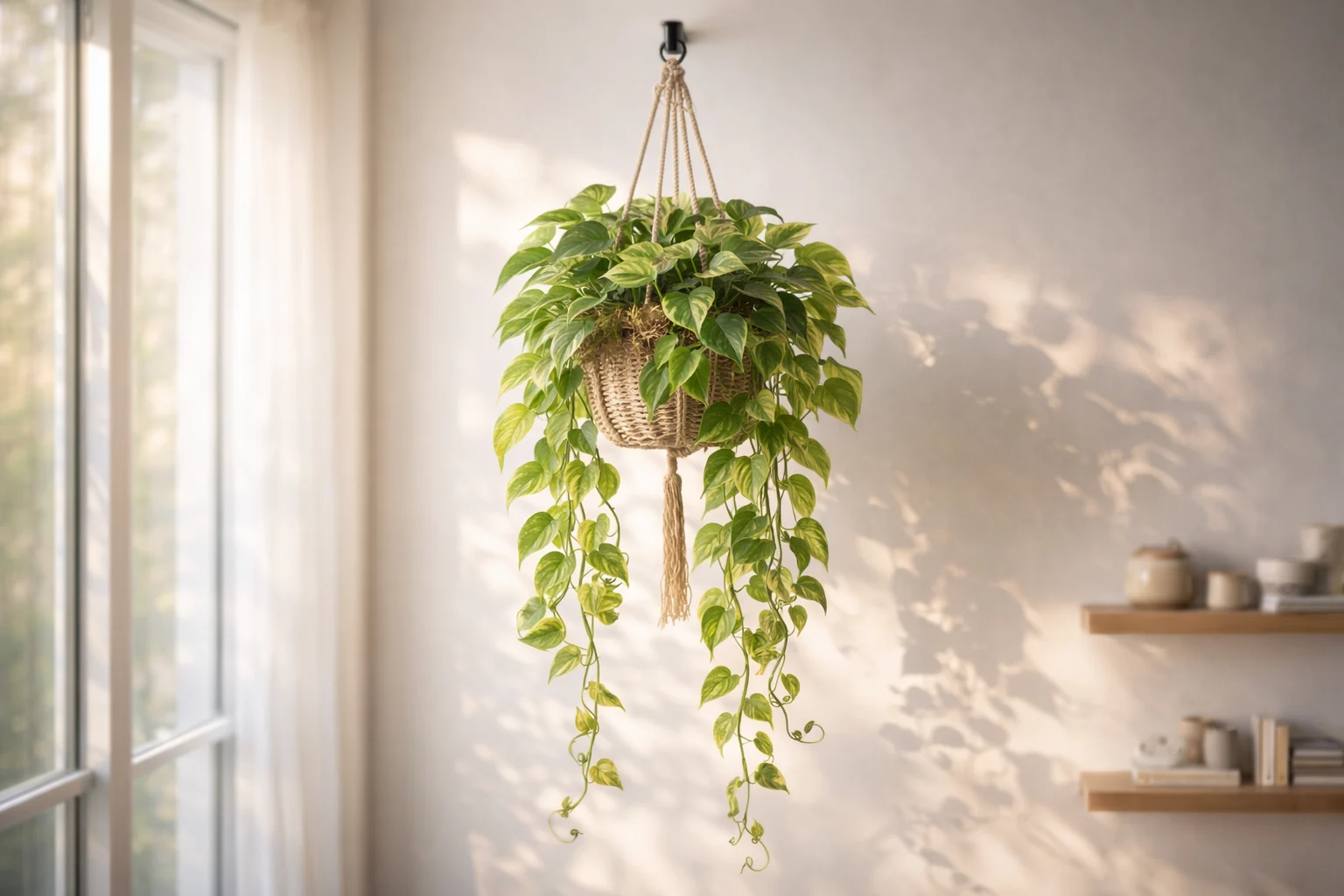
Philodendrons are the quintessential easy-care houseplant, with the heartleaf variety being especially popular for its cascading vines of glossy, heart-shaped leaves. They're incredibly adaptable, tolerating a range of light conditions and bouncing back quickly from neglect. Whether you want a trailing plant for a shelf, a climbing specimen on a moss pole, or a lush hanging basket, philodendrons deliver. With hundreds of species and varieties, there's a philodendron for every plant parent.
Watering Guide
Philodendrons prefer evenly moist soil but are forgiving of occasional drying out. Water when the top inch of soil feels dry. They communicate their needs clearly — drooping leaves mean it's time to water, and they perk up within hours of a good drink.
Seasonal Adjustments
Spring
Growth accelerates. Water every 7-10 days as top inch dries.
Summer
Peak growth. May need water weekly. Check more frequently.
Fall
Growth slows. Water every 10-14 days.
Winter
Reduced growth. Every 2-3 weeks. Soil dries slower in cool conditions.
Signs of Overwatering
- Yellow leaves throughout the plant
- Brown, mushy spots
- Soft stems
- Root rot smell
- Fungus gnats
Signs of Underwatering
- Drooping, wilted leaves (perk up after watering)
- Brown, crispy leaf edges
- Slow growth
- Smaller new leaves
Light Requirements
Philodendrons are adaptable to various light levels. They thrive in bright, indirect light but handle low light better than many houseplants. Variegated varieties need more light to maintain their coloring.
Ideal Conditions
Bright, indirect light. A few feet from an east or west window is perfect.
Low Light Tolerance
Good. Will survive in low light but grow slower and produce smaller leaves.
Common Problems
Spot something wrong? Find your symptoms below to diagnose and fix the issue.
Toxicity Warning
Contains calcium oxalate crystals. Causes oral irritation, drooling, and vomiting if ingested. Keep away from curious pets and children.
Philodendron Care FAQ
How often should I water my philodendron?
Every 7-10 days during the growing season, allowing the top inch of soil to dry between waterings. In winter, water less frequently. Philodendrons are forgiving — if leaves droop, they recover quickly after watering.
Can philodendrons grow in low light?
Yes, philodendrons tolerate low light better than many houseplants. They'll grow more slowly and may become leggy, but they'll survive. For lush, compact growth, provide bright indirect light.
How do I make my philodendron bushier?
Prune the trailing vines just above a leaf node. This encourages branching and creates a fuller plant. You can root the cuttings in water and replant them for an even bushier look.
Is philodendron toxic to pets?
Yes, philodendrons contain calcium oxalate crystals and are toxic to cats and dogs. Ingestion causes mouth irritation, drooling, and vomiting. Keep them out of reach of pets.
What's the difference between pothos and philodendron?
They look similar but are different plants. Philodendron leaves are thinner, more heart-shaped, and matte. Pothos leaves are thicker, more oval, and waxy. Philodendron new leaves emerge from a cataphyll (sheath), while pothos leaves unfurl from existing leaves.
Can I propagate philodendron in water?
Absolutely! Cut below a node, place in water, and roots will develop in 2-4 weeks. Once roots are a few inches long, transfer to soil. It's one of the easiest plants to propagate.
Track your Philodendron
Smart reminders, health tracking, and household coordination — all free.
No credit card required